
OpenClaw is an idea.
And it's very much alive.
What happens when you can talk to your agents and take their memory with you when you switch tools? Plus, AI in dentistry and the prospect of a second opinion for everyone.
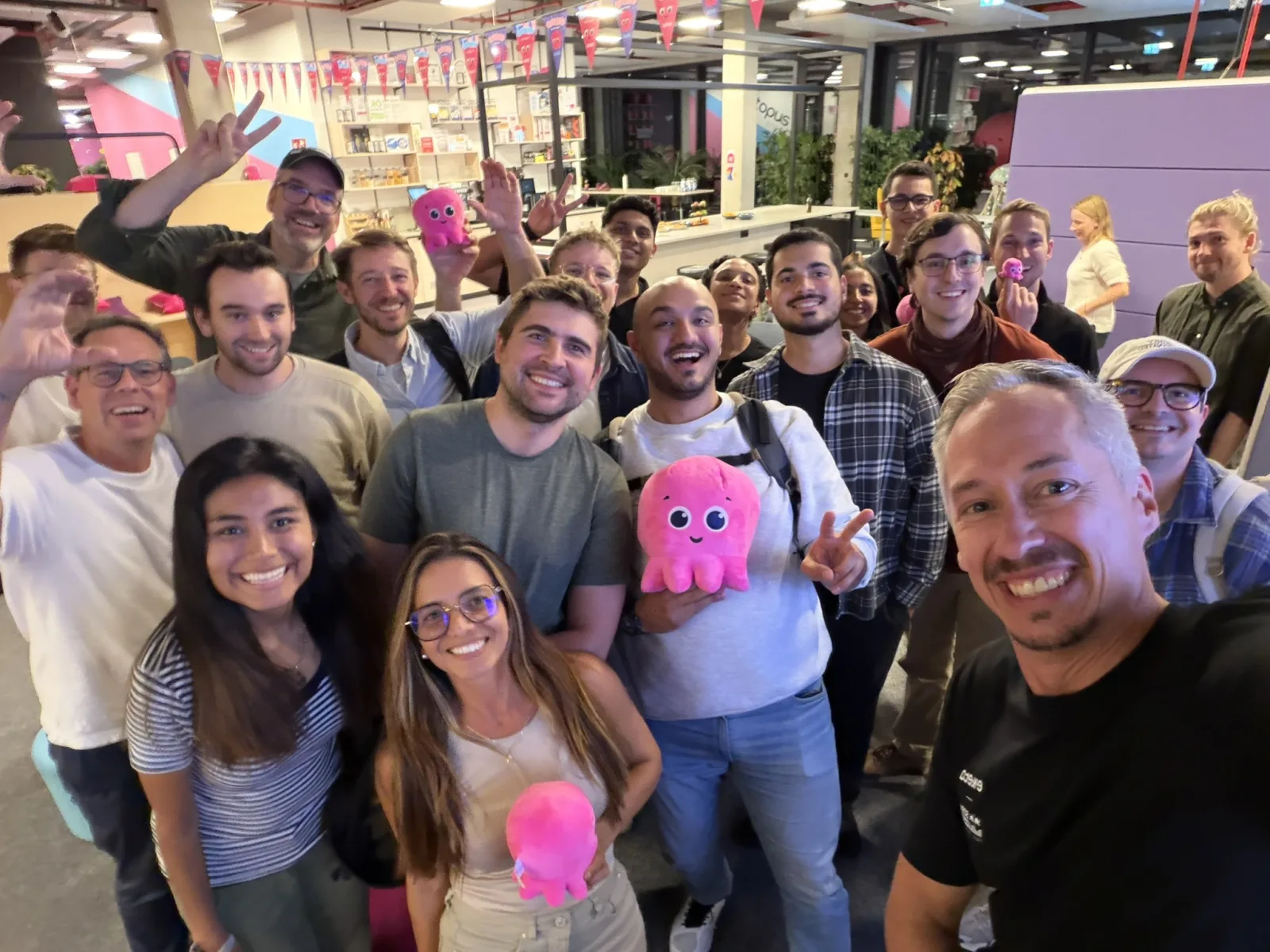
We got together at Octopus Energy on September 17 with people from all sorts of backgrounds, all curious about what happens when you bring agents into everyday work (and your life!). By the end of the night we'd gone from talking to our computers (delegating work) to discussing dental X-rays and access to medical second opinions.
Tilman from OpenAI joined us remotely and gave us a look at how he works with Codex and Voice Mode. He has a lot of projects going. Seems like OpenAI is quite busy. With voice, he can move between them, pick up different sessions and send local agents off to work, all while staying in the conversation.
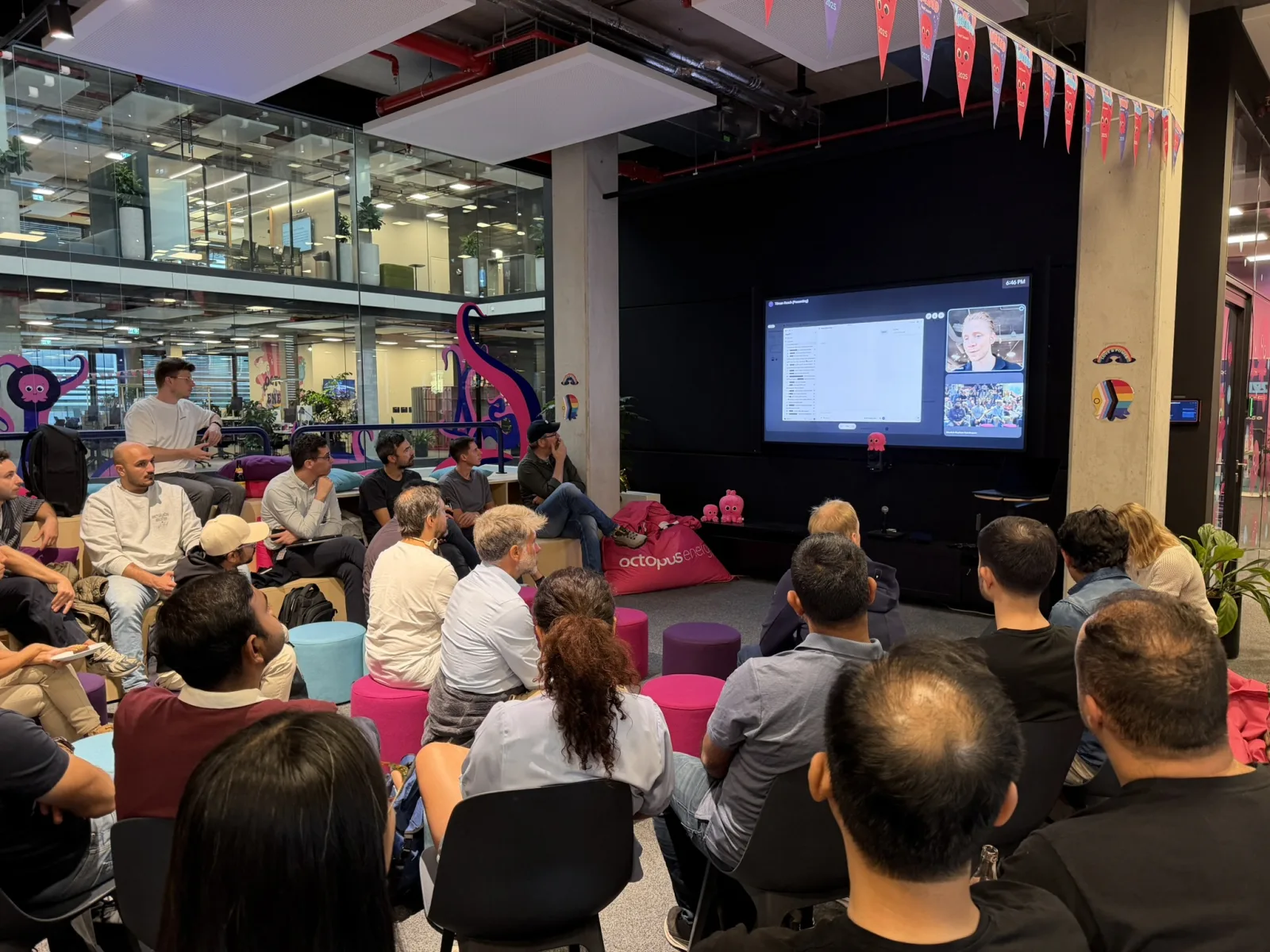
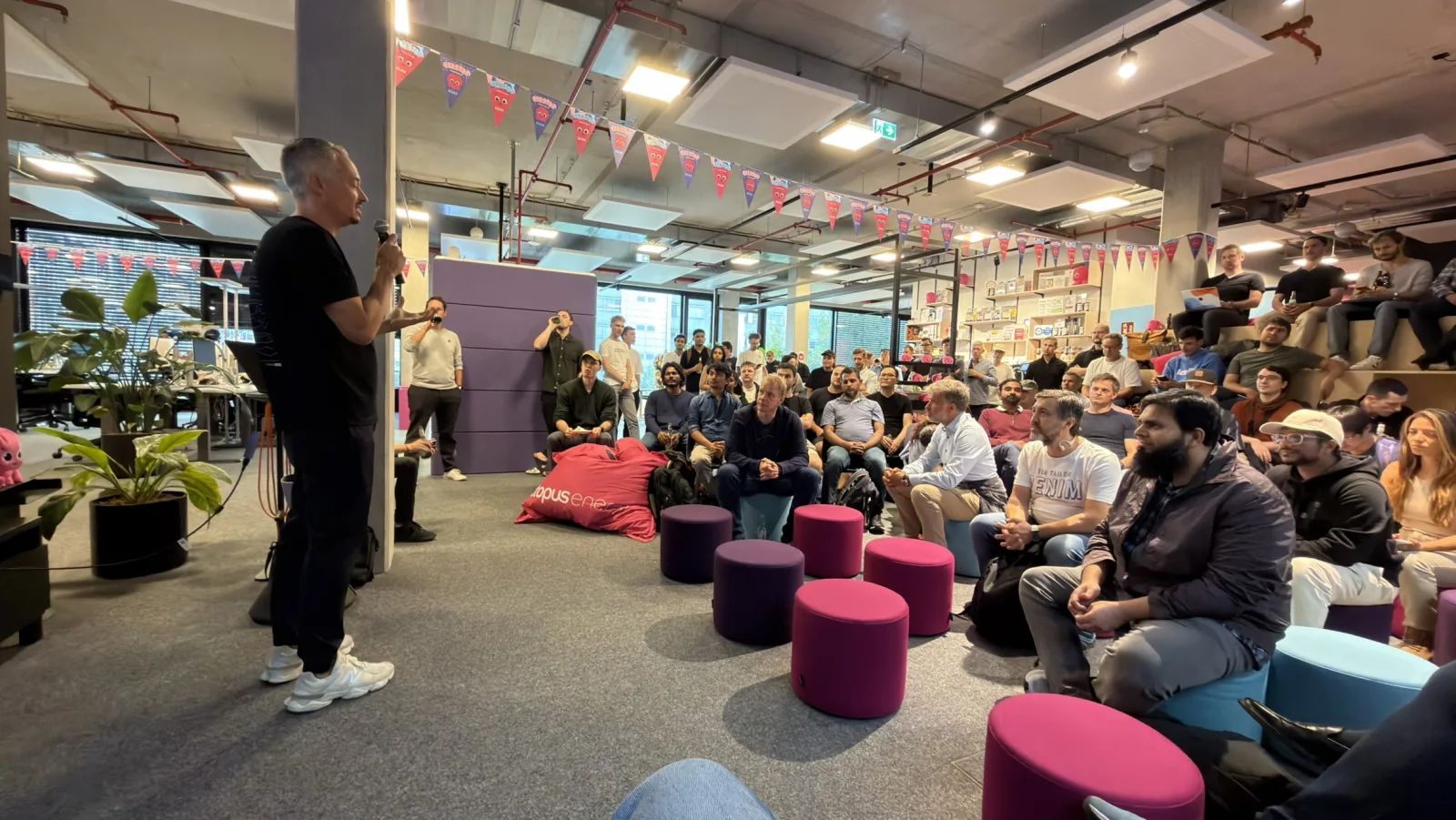
Much of that sounded familiar from my own route from OpenClaw through Hermes to Codex, which I talked about that evening. In March, I was sending voice messages to capture thoughts for later. Now I can talk things through, with follow-up questions and the context of my projects still there, even while I'm out walking the dog. At my desk, I tend to get pulled into the next task. Walking the dog gives me room to think about where I want to go with something.
I also showed the vault that keeps my agents' memory portable: files on my own computer, organised into three separate Git repositories for personal life, public work and professional work. Agents use a recall map to find the relevant notes and write useful outcomes back. When I switch tools, the next agent can pick up that context from the same files. That's how the memory travels with me from OpenClaw to Hermes to Codex.
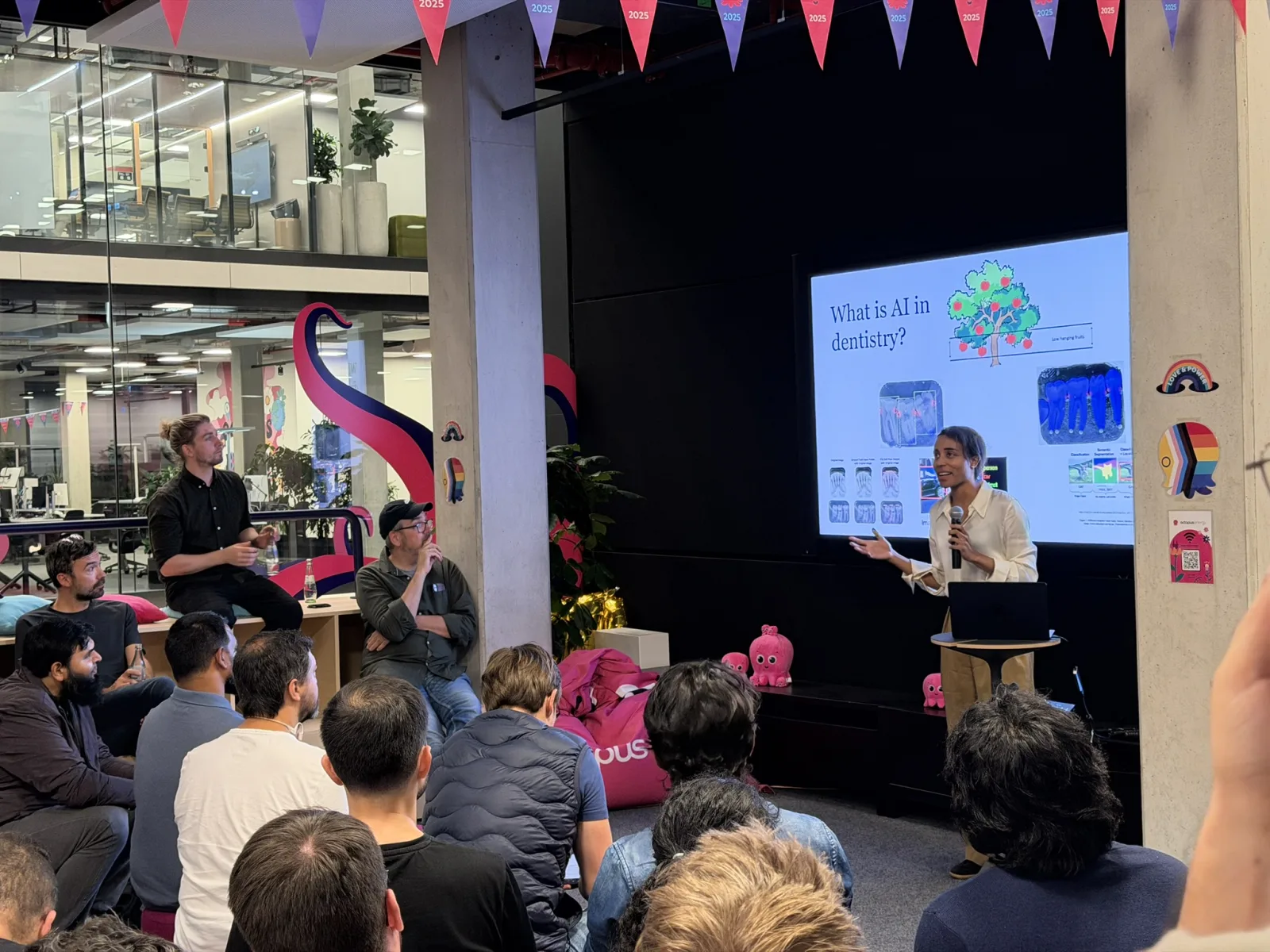
Then we got into teeth. Janet walked us through how AI is being used in dentistry today, including an experiment of her own with dental X-rays. Astra did considerably better in her tests than the GPT-5.6 family and GPT-5.5. Google's MedGemma did poorly. Even with the newer models, the variation in her results showed how much still depends on which model you're asking to assess an image.
That got a good discussion going with the audience. Could a medical second opinion become something everyone can get? There's a lot to like about that possibility, and Janet's examples kept us talking about how reliable those assessments would need to be.
Ali also showed Browser Feedback. You point at something on a page, add a comment, and Claude Code gets the feedback along with a screenshot. It reminded me of Peter Yang's Human Review, where you can edit and comment directly on a document or page and pass it back to your agent. Handy when you can see exactly what needs changing.
We're taking OpenClaw Munich forward in that spirit, with room for whatever agent tools people find useful. OpenClaw got us started. The idea of a persistent, accessible personal agent on your own computer is very much alive, and this community brings together people trying it in all sorts of ways.
Octopus Energy gave us a fantastic venue and welcomed everyone with a generosity we're very grateful for. Thank you! Thanks also to Exxeta and OpenAI for supporting the evening, with OpenAI providing ChatGPT/Codex access and API credits so participants could get their choice of agent running.